Last Modified on December 24, 2025 by Dr. Tyler Meier
Which Is a Common Sports Injury? Top 10 Sports Injuries Athletes Experience
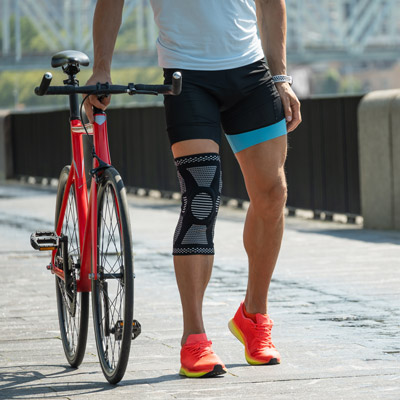
Sports injuries happen. Whether you’re a weekend warrior hitting the basketball court or a high school athlete training year-round, understanding which is a common sports injury can help you recognize warning signs, take preventive action, and seek proper treatment when needed.
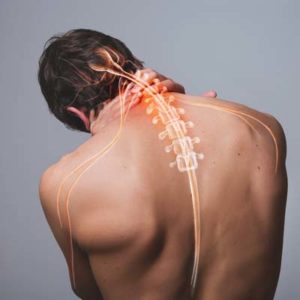
At CorePosture Chiropractic, we’ve worked with countless athletes dealing with everything from ankle sprains to chronic back pain. What we’ve learned is this: most common sports injuries follow predictable patterns and many of them share a common thread involving biomechanics and spinal alignment.
Let’s break down the top 10 injuries athletes face and explore why they happen in the first place.
Why Sports Injuries Are So Common
Before diving into specific injuries, it helps to understand why athletes get hurt so frequently.
Here are the main culprits:
- Repetitive motion and overtraining – Doing the same movement thousands of times wears down tissues
- Poor biomechanics and spinal misalignment – When your body doesn’t move efficiently, certain areas take excessive stress
- Inadequate recovery and conditioning – Skipping rest days or neglecting strength training sets you up for injury
- Improper technique or equipment – Bad form or worn-out shoes create unnecessary strain
- Growth-related vulnerabilities in youth athletes – Growing bodies are more susceptible to certain injuries
The takeaway? Most sports injuries aren’t just bad luck. They develop over time due to accumulated stress, imbalances, and biomechanical issues that often go unnoticed until pain strikes.
Now let’s examine the specific injuries that keep athletes sidelined.
See more: How Chiropractic Care Can Help Prevent and Manage Sports Injuries
Top 10 Most Common Sports Injuries
1. Ankle Sprains
If there’s one injury that dominates sports medicine, it’s the ankle sprain.
Ankle sprains occur when ligaments supporting the ankle stretch or tear, usually from rolling or twisting the foot awkwardly. They’re the single most common sports injury across nearly every activity – basketball, soccer, volleyball, running, you name it.
Why they’re so prevalent:
- Quick directional changes stress ankle stability
- Poor balance and proprioception increase vulnerability
- Previous ankle sprains create chronic weakness
- Spinal and pelvic misalignment affects weight distribution through the feet
2. Knee Injuries (Runner’s Knee / Patellofemoral Syndrome)
Runner’s knee isn’t just for runners – it affects cyclists, hikers, and anyone who does repetitive knee bending.
This overuse injury causes pain around or behind the kneecap due to improper tracking of the patella. The knee doesn’t move smoothly in its groove, creating friction and inflammation.
The connection most athletes miss: Your knee pain might actually stem from hip weakness, foot mechanics, or even spinal alignment. When your pelvis isn’t level or your gait is off, your knees compensate and eventually complain.
3. ACL Tears and Knee Ligament Injuries
ACL (anterior cruciate ligament) tears are among the most devastating sports injuries, often requiring surgery and months of rehabilitation.
Two main mechanisms cause ACL tears:
- Contact injuries – Direct blow to the knee
- Non-contact injuries – Sudden deceleration, pivoting, or landing awkwardly (more common)
Here’s what’s fascinating: research shows that poor biomechanics – including hip weakness and altered movement patterns – significantly increase ACL tear risk. Athletes who move inefficiently put excessive rotational stress on their knees.
4. Shin Splints
Shin splints (medial tibial stress syndrome) cause that dreaded aching pain along the inner edge of your shinbone.
Runners and dancers know this injury well. It typically develops from:
- Training errors (doing too much, too soon)
- Running on hard surfaces repeatedly
- Foot mechanics issues (flat feet or rigid arches)
- Tight calf muscles and poor ankle mobility
What many people don’t realize is that shin splints often connect to postural stress patterns. When your spine and pelvis aren’t aligned properly, it changes how force travels through your legs with every step.
5. Hamstring Strains
Pull a hamstring, and you’ll remember it for weeks. These muscle strains happen when the hamstring stretches beyond its capacity or contracts too forcefully.
Prime risk factors include:
- Muscle imbalances between quads and hamstrings
- Pelvic alignment issues that alter hamstring tension
- Insufficient warm-up before explosive movements
- Fatigue during sprinting or jumping activities
Athletes who suffer repeated hamstring strains often have underlying pelvic misalignment that keeps reloading the same muscle group improperly. Fix the foundation, and the strains often stop recurring.
6. Shoulder and Rotator Cuff Injuries
Overhead athletes – swimmers, baseball pitchers, volleyball players, tennis players – know shoulder pain intimately.
The rotator cuff, a group of four muscles stabilizing the shoulder, takes tremendous repetitive load. Over time, this leads to inflammation, tears, or impingement.
The posture connection: Forward head posture and rounded shoulders (common in our screen-heavy world) alter shoulder mechanics significantly. When your upper spine is misaligned, your shoulders can’t function optimally, increasing injury risk with every throw or serve.
7. Tennis Elbow and Golfer’s Elbow
Despite the names, you don’t need to play tennis or golf to develop these conditions.
Tennis elbow affects the outer elbow, while golfer’s elbow impacts the inner elbow. Both involve tendon inflammation from repetitive gripping, twisting, or loading movements.
Beyond the elbow itself, these injuries often have contributions from:
- Nerve tension originating in the neck
- Spinal misalignment affecting nerve function
- Compensatory patterns from shoulder or wrist issues
8. Concussions
Concussions deserve serious attention. These brain injuries occur from direct blows or rapid acceleration-deceleration forces affecting the head.
High-risk sports include:
- Football, hockey, rugby
- Soccer (especially heading the ball)
- Basketball, baseball, lacrosse
Beyond the immediate neurological concerns, there’s an important cervical spine component. The neck absorbs tremendous force during impacts, and spinal injuries often accompany concussions. Proper evaluation of both the head and neck is essential.
9. Low Back Strains
Low back strains are one of the most underreported sports injuries, yet they’re incredibly common.
Repetitive twisting, bending, and explosive movements stress the lower back. Add in:
- Core stability
- Spinal curve abnormalities
- Poor lifting or landing mechanics
And you’ve got a recipe for chronic low back pain that sidelines athletes across every sport. The frustrating part? Many athletes just push through until the pain becomes unbearable.
10. Sciatica and Nerve-Related Sports Injuries
Sciatica – radiating pain down the leg caused by nerve irritation – affects more athletes than most realize. Two main causes:
- Compression – Disc herniation or stenosis pinching the nerve
- Irritation – Piriformis syndrome or pelvic misalignment creating nerve tension
How spinal alignment affects nerve health matters enormously here. When vertebrae shift out of proper position, nerves can become stretched, compressed, or irritated, causing pain that feels like it has nothing to do with your spine.
How Chiropractic BioPhysics (CBP) Addresses Sports Injuries
So where does chiropractic care fit into sports injury recovery and prevention?
At CorePosture Chiropractic, we use Chiropractic BioPhysics (CBP) – the most researched and results-oriented approach to structural correction. Unlike traditional chiropractic that focuses mainly on short-term pain relief, CBP targets the root biomechanical problems contributing to injury.
Here’s how CBP chiropractic sports injury care makes a difference:
- Restoring Spinal Alignment and Posture: When your spine is properly aligned, forces distribute evenly throughout your body. This reduces abnormal stress on joints, muscles, and connective tissue.
- Improving Movement Efficiency: Better alignment means better biomechanics. Athletes move more efficiently, waste less energy, and place less strain on vulnerable areas like knees, shoulders, and ankles.
- Reducing Abnormal Joint Stress: Many sports injuries develop because certain joints bear excessive load due to compensatory patterns. Correcting spinal structure helps normalize these forces.
- Supporting Long-Term Recovery and Performance: We’re not just chasing symptoms – we’re rebuilding structural integrity so injuries heal properly and performance improves over time.
- Preventing Recurring Injuries: This might be the most valuable benefit. When we address why you got injured in the first place – not just treat the pain – you’re far less likely to reinjure the same area.
As your chiropractor Newport Beach, CA, we’ve seen countless athletes break free from the injury-rehab-reinjury cycle by addressing structural spinal issues they didn’t even know existed.
Final Thoughts: Beyond Treating Symptoms
Understanding the most common sports injuries helps you recognize warning signs early. But more importantly, it highlights why sports injury prevention isn’t just about strengthening muscles or improving flexibility – it’s about ensuring your entire musculoskeletal system functions as an integrated unit.
When your spine and pelvis are properly aligned, your body moves the way it’s designed to. Joints track correctly. Muscles fire in proper sequence. Forces distribute evenly. And injuries become far less frequent.
Dealing with a sports injury or looking to prevent one? At CorePosture Chiropractic, we specialize in helping athletes of all levels optimize their biomechanics and recover from injuries using evidence-based CBP techniques. Don’t let pain keep you on the sidelines – schedule an evaluation and discover how structural correction can transform your athletic performance and longevity.

Dr. Tyler Meier is a board-certified, licensed chiropractor and founder of CorePosture Chiropractic in Newport Beach, CA