Last Modified on March 4, 2026 by Dr. Tyler Meier

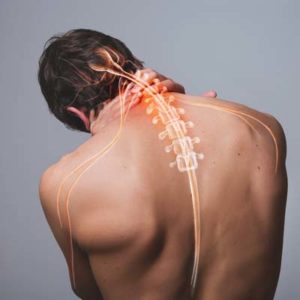
Tech neck symptoms are becoming increasingly common as we spend more time hunched over screens. At CorePosture Chiropractic in Newport Beach, we see these patterns every single day. The good news? Recognizing the symptoms early gives you the best chance to correct the underlying problem before it becomes chronic.
Let’s walk through the five most common signs of tech neck and what they’re really telling you about your spine.
1. Neck Pain and Muscle Strain
This is usually the first symptom people notice. That nagging ache at the base of your neck that starts mild and gradually gets worse throughout the day.
What it feels like:
- Dull, aching pain where your neck meets your shoulders
- Sharp discomfort when you turn your head certain directions
- Tight, overworked muscles that feel constantly tense
- Pain that significantly worsens after hours of screen time
Why it happens: When your head moves forward from its natural position over your spine, your neck muscles work overtime trying to hold it up. For every inch your head shifts forward, it effectively gains 10 pounds of weight. That’s exhausting for muscles designed for balance, not constant heavy lifting.
2. Shoulder Pain and Upper Back Tension
Tech neck doesn’t stay isolated to your neck. It radiates downward, creating a chain reaction of tension through your shoulders and upper back.
Common complaints we hear:
- Rounded shoulders that won’t seem to straighten out
- Painful knots between your shoulder blades
- Tension that spreads from your neck down into your shoulders
- Upper back muscles that feel rock-hard to the touch
The connection: Forward head posture pulls your shoulders forward and rounds your upper back. Your shoulder muscles compensate by working constantly to stabilize, creating chronic tension and trigger points that just won’t release on their own.
3. Headaches (Especially Tension Headaches)
If you’re experiencing frequent headaches that seem to start at the base of your skull, tech neck might be the culprit.
Typical headache patterns:
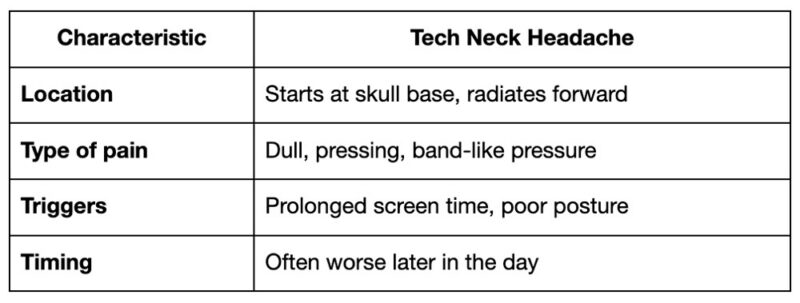
The posture-headache link: Research by Dr. Fernández-de-las-Peñas, published in Cephalalgia, demonstrated a strong correlation between forward head posture and increased frequency of tension-type headaches. When your neck muscles are constantly strained, they create referral pain patterns that manifest as headaches.
4. Neck Stiffness and Reduced Range of Motion
Stiffness is your body’s way of protecting an area that’s not moving correctly. With a tech neck, that protective stiffness can become debilitating.
What you might experience:
- Difficulty turning your head to check blind spots while driving
- Morning stiffness that takes time to “warm up”
- Feeling like your neck is “locked up” after working at your desk
- Needing to turn your whole body instead of just your head
Why movement becomes restricted: Prolonged forward head posture causes your cervical joints to lose their normal motion. Muscles tighten protectively. Over time, these restrictions compound, making simple movements increasingly difficult.
5. Postural Changes and Abnormal Cervical Curve
This is often the most overlooked symptom because you can’t necessarily feel it happening until significant damage has occurred.
Visible postural changes:
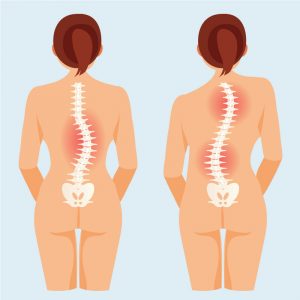
- Your head sits noticeably forward of your shoulders
- Loss of the natural inward curve in your neck (cervical lordosis)
- Rounded upper back (increased thoracic kyphosis)
- Shoulders that roll forward even when you try to stand straight
Why this matters most: Your cervical spine is designed with a natural C-shaped curve that distributes weight evenly and protects your spinal cord. Tech neck gradually straightens or even reverses this curve. Research by Dr. Harrison, published in the Journal of Manipulative and Physiological Therapeutics, shows that loss of cervical lordosis is strongly associated with chronic neck pain and degenerative changes.
This structural change often develops silently over months or years. By the time you notice pain, the curve may already be significantly altered.
How Chiropractic BioPhysics Can Help Correct Tech Neck
Here’s the truth: stretching, massage, and better ergonomics can help manage tech neck symptoms — but they don’t fix the underlying structural problem. That’s where Chiropractic BioPhysics (CBP) comes in.
- Restoring the natural cervical curve: CBP is a research-based approach that focuses on correcting the actual shape and alignment of your spine, not just temporarily relieving symptoms. We use precise measurements, custom traction protocols, and specific adjustments designed to rebuild your cervical curve.
- Postural correction vs. symptom masking: Pain medication masks symptoms. Massage provides temporary relief. CBP addresses the root cause — the structural changes in your spine that create the symptoms in the first place.
- Customized care plans based on your spine: At CorePosture Chiropractic, as your chiropractor Newport Beach, we start with detailed imaging and postural analysis. Your treatment plan is built specifically around your spine’s current structure and the corrections needed to restore proper alignment.
- Long-term spinal health benefits: The goal isn’t just feeling better today — it’s creating lasting structural changes that prevent chronic problems down the road. Patients who complete corrective care often maintain their improvements for years.
Don’t Let Tech Neck Become Your New Normal
Tech neck symptoms might seem like a minor inconvenience now, but left uncorrected, they progress into chronic pain, permanent postural changes, and degenerative spine conditions. The earlier you address the problem, the better your outcomes.
At CorePosture Chiropractic in Newport Beach, CA, we specialize in correcting the structural issues that create tech neck — not just managing symptoms. If you’re experiencing any of the five signs we’ve covered, it’s time to get your spine evaluated.
Ready to fix your tech neck for good? Schedule your comprehensive posture evaluation today at CorePosture Chiropractic. Your neck wasn’t designed to carry the weight of the digital world. Let’s put it back where it belongs.
See more: 10 Best Text Neck Exercises to Relieve Pain and Improve Posture

Dr. Tyler Meier is a board-certified, licensed chiropractor and founder of CorePosture Chiropractic in Newport Beach, CA